

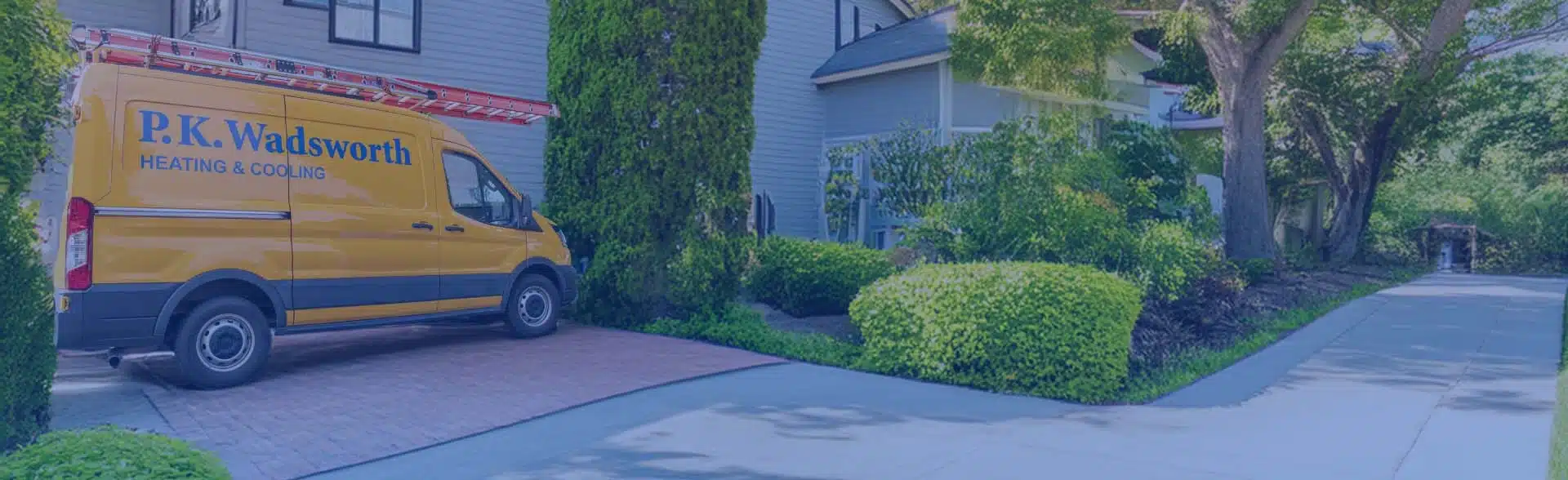
Twinsburg is one of those cities where the house can tell you a lot before you even get to the equipment. Near Twinsburg Square and the older streets off Darrow Road, we still see mid-century ranches and split-levels. Head toward Ethan’s Green, the Glenwood corridor, or newer development around Reminderville, and the homes get larger, the floor plans open up, and the HVAC and electrical systems become more involved.
P.K. Wadsworth provides heating, cooling, plumbing, electrical, and indoor air quality service throughout Twinsburg. Call (440) 588-3025 or contact us online when something in your home needs attention.
You Can See Twinsburg’s Growth in Its Homes
Twinsburg grew quickly during the 1980s and 1990s, and that era still defines a large part of the city’s housing stock. Two-story colonials with attached garages, larger kitchens, multiple living areas, and second-floor bedroom wings are common throughout established subdivisions. Ethan’s Green is a good example, with upscale single-family homes and townhouses built around larger, more involved residential systems.
Closer to Twinsburg Square, the housing changes. Ranches and split-levels from the 1950s through the 1970s tend to have simpler mechanical layouts, while modern construction around Reminderville brings open concepts, high ceilings, newer controls, and larger electrical demands. The age and layout of the house usually give us the first clues about where a comfort or service problem may be coming from.
Furnace & Heating Service in Twinsburg, OH
Homes around Twinsburg may rely on gas furnaces and forced-air ductwork, but the size of the house makes a big difference in how well those systems perform. A ranch near the Square may be easier to balance than a large colonial where the furnace is trying to serve an expansive first floor and bedrooms a full story above it.
Our heating services include:
Twinsburg sits along the secondary snowbelt, so heavy, wet snow and long freezing stretches can keep furnaces running for hours at a time. In larger colonials, cold upstairs bedrooms do not automatically point to a bad furnace. Zoning, long duct runs, and airflow between floors can all affect how evenly the house heats.
Electrical Repair & Upgrades in Twinsburg, OH

Homes built during Twinsburg’s 1980s and 1990s growth boom may have more electrical capacity than homes in older Cleveland-area suburbs, but present-day needs can still exceed the original design. EV chargers, home offices, large kitchen appliances, multiple HVAC zones, and entertainment systems can change what a panel needs to support.
P.K. Wadsworth provides electrical services including:
Twinsburg’s weather and commercial growth add another consideration. Heavy snow can pull on trees and utility lines, while summer storms bring high winds, lightning, and intense downpours. Before another large electrical load goes onto the system, the existing panel, service size, and protection already in place need to be understood first.
Plumbing, Drain & Water Heater Service in Twinsburg, OH

Plumbing systems here vary a lot by neighborhood. Older homes around the Square may have seen several rounds of repairs and remodeling, while the larger colonials in neighborhoods like Ethan’s Green may have more bathrooms, finished lower levels, bigger kitchens, and more fixtures feeding into the system.
P.K. Wadsworth provides plumbing services including:
Finished basements are common in many of Twinsburg’s larger homes, so a small leak downstairs can damage flooring, drywall, or stored belongings before it becomes obvious. Severe summer storm cells can also drop a lot of rain quickly, making sump and drainage systems especially important. The location of the water and the way the basement is finished often tell us more than the visible symptom alone.
Indoor Air Quality for Twinsburg’s Changing Seasons
Twinsburg can move from heating weather to cooling weather quickly during spring and fall. Summer brings muggy air, while long winter heating cycles can dry a house out. In a large two-story home, the difference between the basement, main floor, and upstairs bedrooms can be noticeable.
P.K. Wadsworth installs and services:
A finished basement along the Glenwood corridor may need summer moisture control while the second floor of the same house has a completely different comfort issue. Larger floor plans can also make filtration and humidity balance harder to manage evenly. The best setup depends on where the problem shows up and how air is already moving through the house.
AC Repair, Maintenance & Replacement in Twinsburg, OH

Cooling is where Twinsburg’s larger suburban floor plans really start to matter. Many of the colonials built from the 1980s through the 2000s have open first floors, high ceilings, long duct runs, and second-floor bedrooms that can be difficult to cool evenly with a single thermostat.
P.K. Wadsworth provides air conditioning services including:
Once temperatures climb into the mid-80s and 90s and the humidity settles in, weak airflow becomes much easier to notice. Multi-zone systems may be an option in larger Twinsburg homes, and ductless mini-splits can work well in sunrooms, finished basements, or additions. A warmer second floor can sometimes be corrected through airflow or zoning changes without simply increasing AC size.
Why Local Experience Matters in Twinsburg
Twinsburg is not made up of one generation of homes. A morning appointment near Darrow Road might be in a straightforward mid-century ranch, while the next stop in Ethan’s Green could involve multiple HVAC zones, a finished basement, a larger electrical service, and a much more complicated floor plan.
Those differences help narrow down where the trouble is likely to start. Warm bedrooms in a large colonial may point toward zoning. A new EV charger may expose a panel limitation, while basement moisture after a storm may turn out to be a drainage issue rather than a leaking pipe.
P.K. Wadsworth technicians also make a point of explaining what they find and taking care of the property while they work.
Schedule Service in Twinsburg
A ranch near Twinsburg Square, a large colonial in Ethan’s Green, and a newer home toward Reminderville may all need completely different solutions even when the homeowner describes the same problem. Floor plan, equipment age, zoning, finished spaces, electrical demand, and Twinsburg’s snowbelt weather all shape the way the job should be handled.
Call P.K. Wadsworth at (440) 588-3025 or contact us online to schedule heating, cooling, plumbing, electrical, or indoor air quality service in Twinsburg, OH 44087.
Recent Jobs and Reviews in Twinsburg, OH
Twinsburg, OH at a glance
P.K. Wadsworth Heating, Cooling, Plumbing and Electric has completed 20 jobs in Twinsburg, OH between August 2026 and September 2026.
The most recent job was on September 21, 2026.
P.K. Wadsworth Heating, Cooling, Plumbing and Electric has completed 319 jobs in Twinsburg, OH in the last 12 months.
Job Locations and Reviews
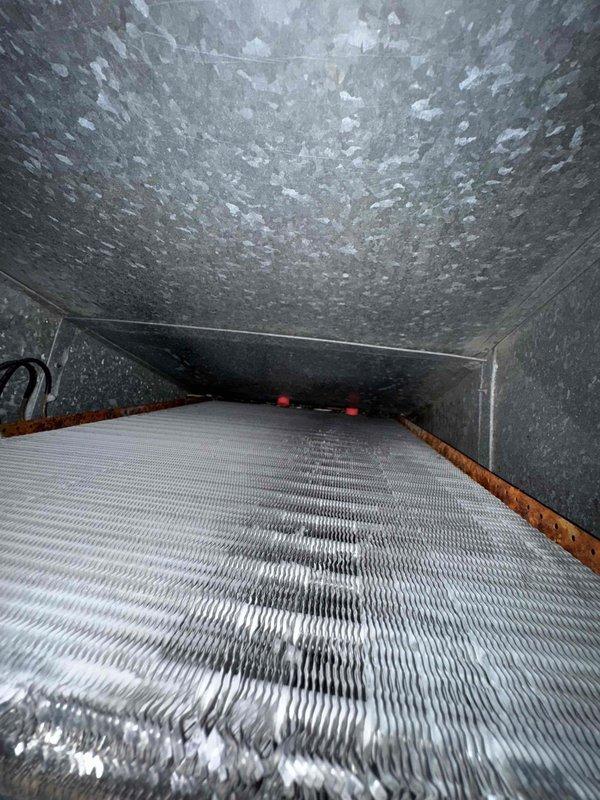
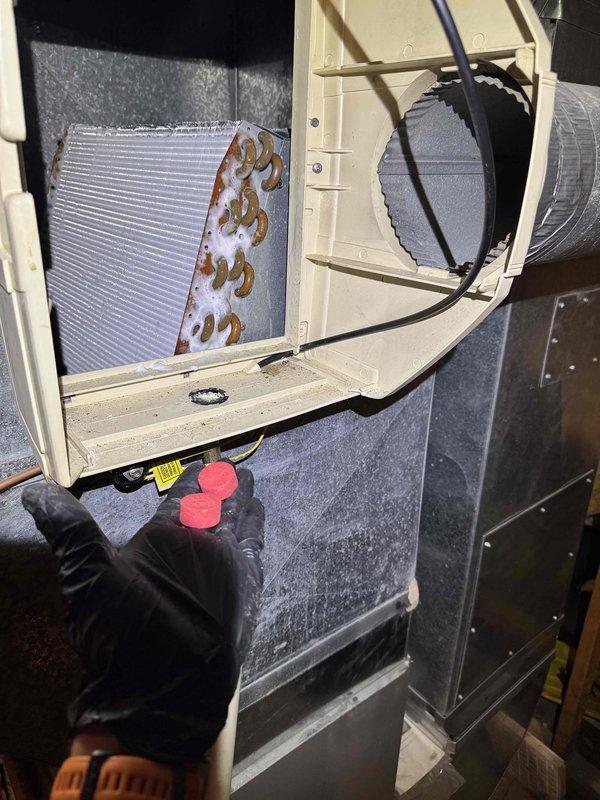

Responded to service call for active water leak originating from furnace blower area in basement. Upon inspection, discovered significant condensate drainage issue caused by corroded evaporator coil and accumulated debris within the ductwork system. The 5-year-old furnace unit exhibited extensive rust staining across the evaporator coil surface, indicating prolonged moisture exposure and inadequate drainage. Interior ductwork inspection revealed heavy dust accumulation, mineral deposits on metal surfaces, and rust-colored staining along bottom seams where water had been pooling. Documented corroded coil condition and contaminated ductwork with photographic evidence for service records. Identified primary cause as compromised coil integrity combined with blocked or insufficient condensate drainage system, resulting in water overflow onto basement floor.
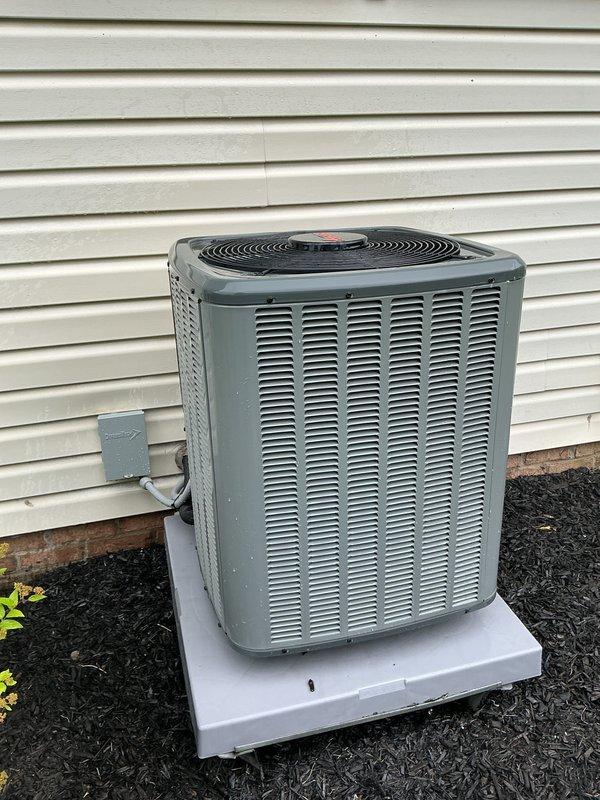
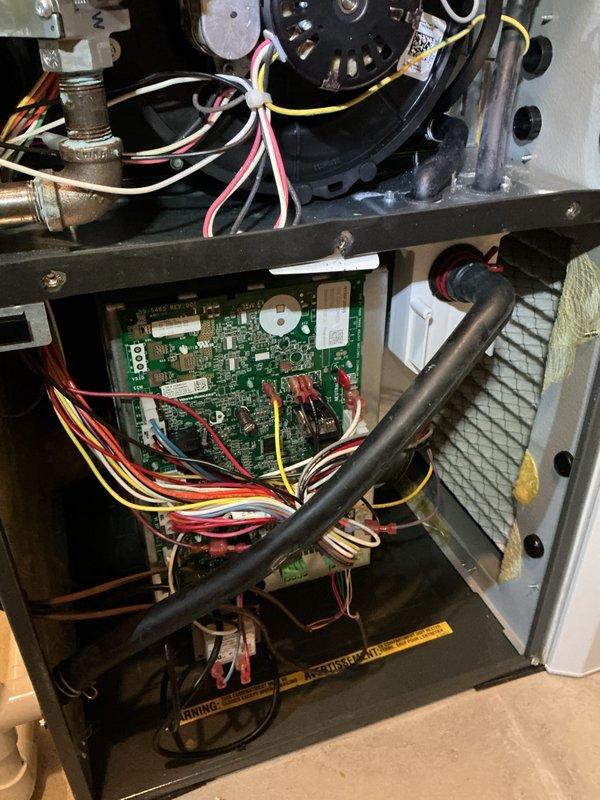

Completed scheduled maintenance visit on residential HVAC system including both outdoor condensing unit and indoor air handler components. Performed comprehensive inspection of exterior condenser unit, verified proper operation of compressor and condenser fan motor, checked electrical connections at disconnect box, and confirmed adequate airflow through coil louvers. Inspected indoor furnace assembly including blower motor operation, control board functionality, electrical connections, and air filter condition, documenting system status with photographs for service records.
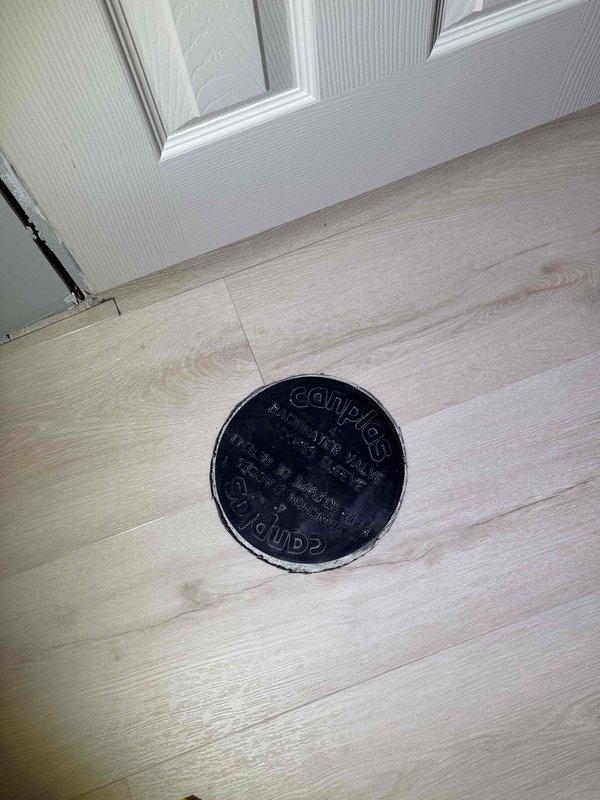
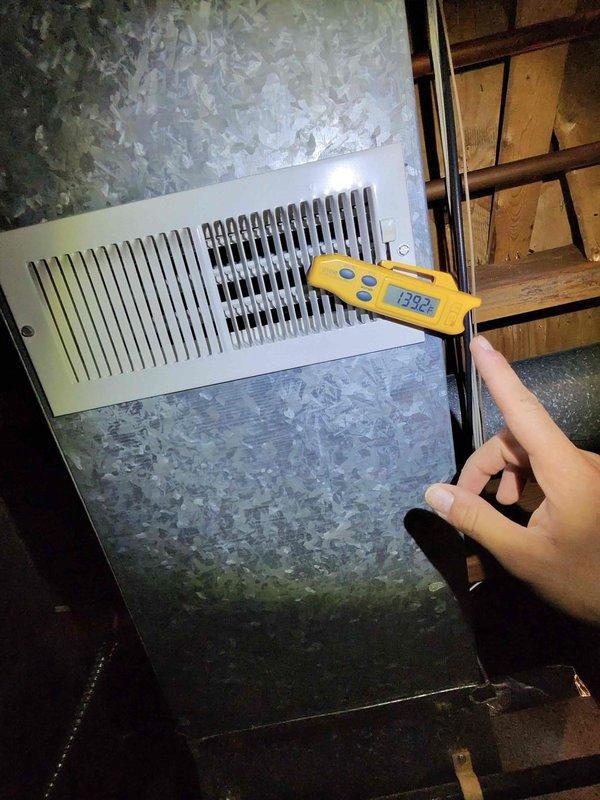
Completed scheduled heating maintenance on 11-year-old Ruud system that had missed its summer check. Performed comprehensive tune-up including system diagnostics, airflow measurements at supply registers (recorded 1382 CFM), visual inspection of all accessible components, and verification of proper operation. System is functioning within normal parameters and ready for the heating season.
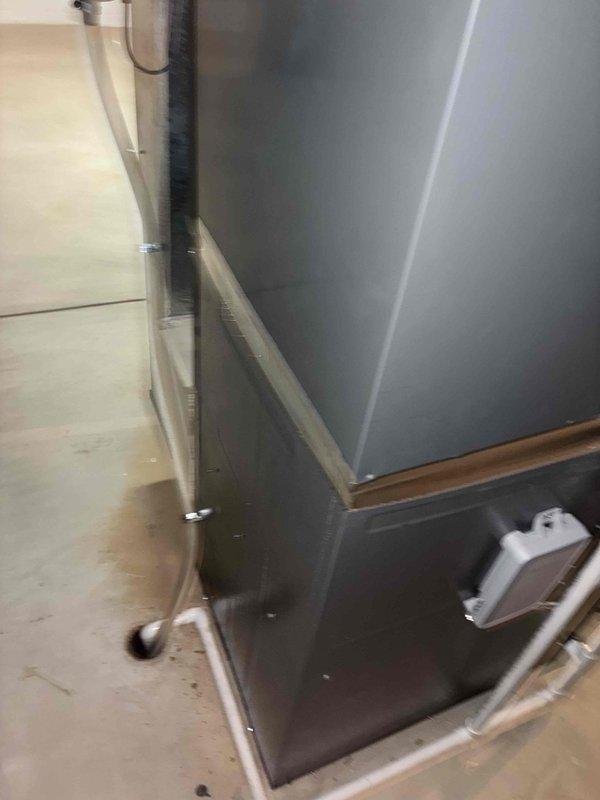
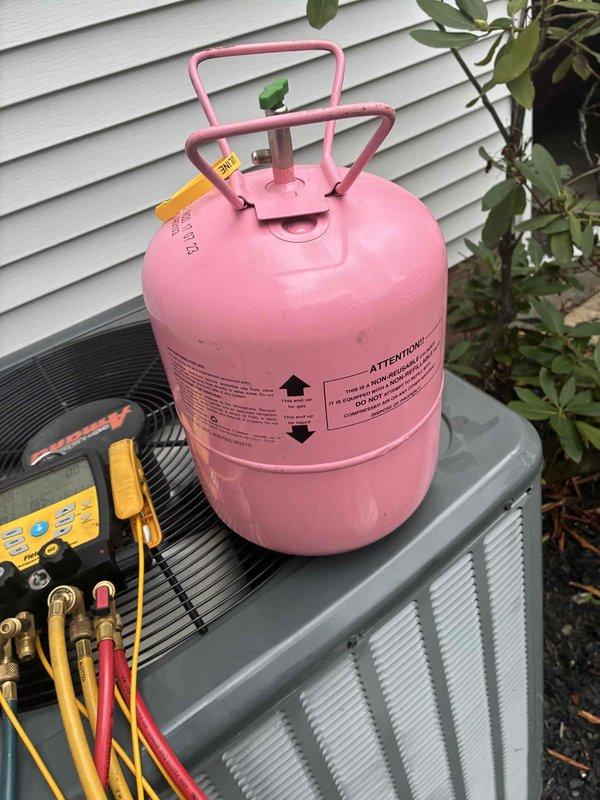

Returned to property to replace evaporator coil in air handler unit located in interior mechanical space. Removed old coil, installed new replacement coil, and pressure-tested system for leaks. Evacuated system to proper vacuum levels, then recharged unit with refrigerant to manufacturer specifications using manifold gauges and verified proper operating pressures and temperatures upon completion.
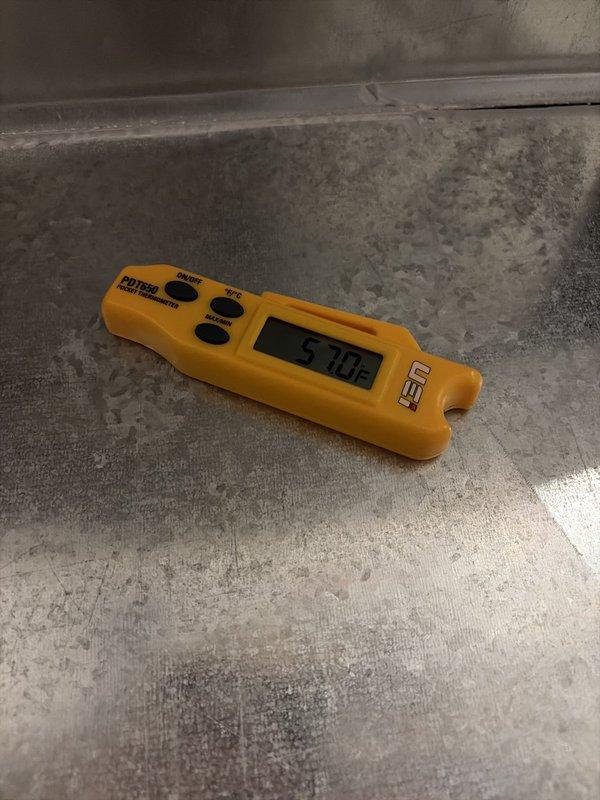
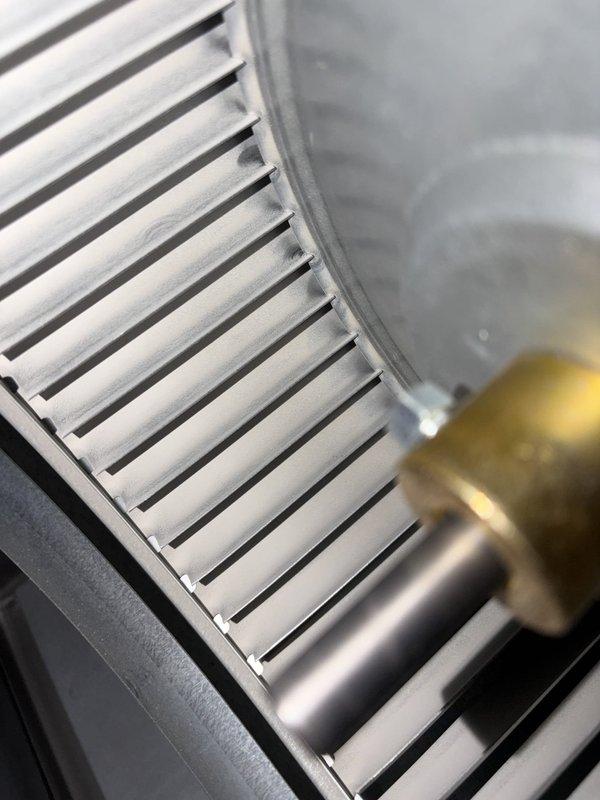

Completed semi-annual heating maintenance on Lennox furnace in preparation for fall/winter season. Performed comprehensive system inspection including verification of all mechanical components, air flow measurements, and temperature diagnostics. Checked heat exchanger integrity, tested ignition system operation, inspected burner assembly and flame sensor, verified proper venting and combustion air supply, examined blower motor and capacitor function, and confirmed thermostat calibration. Measured supply air temperatures and assessed ductwork connections for proper sealing. Replaced air filter and cleaned blower compartment. All safety controls tested and operating within manufacturer specifications. System cycled properly with no abnormalities detected. Furnace operating efficiently and ready for heating season demand.


Completed comprehensive cooling system maintenance on HVAC unit. Performed standard diagnostics using digital testing equipment to verify system performance and operational parameters. Inspected and evaluated air filtration system, noting clean pleated filter in proper working condition within mounting frame. All components assessed and found to be functioning within normal specifications.


Responded to no cooling complaint. Upon arrival, measured supply air temperature at register showing 61°F, indicating insufficient cooling. Performed insulation resistance test on outdoor condenser unit compressor using megohmmeter, which showed readings in acceptable range. System evaluated and necessary repairs completed to restore proper cooling operation.


Installed electrical outlet to support newly installed Aprilaire humidifier system integrated with existing HVAC ductwork. Verified proper operation of humidifier control unit displaying humidity level readings and completed electrical connection to power the equipment.


Returned to property to complete installation of AprilAire 700 whole-home humidifier unit. Mounted humidifier to main supply ductwork, established proper electrical connections, and integrated water supply line to unit. Verified system operation and proper humidity distribution through ductwork. Installation completed successfully with unit operational.


Completed scheduled preventive maintenance on residential cooling system as part of ongoing service agreement. Performed comprehensive inspection of Armstrong Air HVAC system including furnace unit and air handler components. Verified system operation and measured supply air temperature at 53.4°F, confirming adequate cooling performance. Inspected ductwork, insulation integrity, and PVC condensate drainage lines. All equipment found operating within normal parameters with no immediate service needs identified.


Responded to service call for non-operational air conditioning system with recurring issues similar to previous service visit. Performed diagnostic inspection of HVAC equipment in attic space using UV lighting to identify potential refrigerant leaks and assess system components. Inspected evaporator coil assembly, refrigerant lines, and surrounding insulation for signs of contamination or system failure that would prevent proper cooling operation.


Completed routine HVAC cooling system maintenance, which included replacing the air filter with a new pleated unit and inspecting electrical components including the fuse block assembly. All components were found to be in proper working condition, and the system was left operating efficiently.


Conducted on-site assessment for furnace replacement. Evaluated existing electrical panel circuit configuration and verified dedicated furnace circuit breaker capacity. Inspected current HVAC system components including refrigerant lines, drainage piping, and connections to determine compatibility requirements for new equipment installation. Documented electrical infrastructure and mechanical connections to provide accurate replacement options and specifications.


Responded to service call for non-operational air conditioning system. Upon inspection, accessed air handler unit and examined blower assembly and internal components. Documented condition of squirrel cage blower wheel showing dust accumulation on blades, which can restrict airflow and reduce system efficiency. Inspected electrical connections, wiring harness, and copper refrigerant lines showing age-related oxidation and patina. Evaluated motor housing and heat exchanger components for proper operation. Discussed system age concerns with customer and provided assessment of current equipment condition. Presented options for repair versus replacement, including pricing for new system installation.


# HVAC Cooling Maintenance Completed Performed comprehensive cooling system maintenance on residential Amana HVAC unit. Conducted complete system inspection of air handler and ductwork assembly, verifying proper airflow and component operation. Measured supply air temperature at 83.8°F using calibrated digital thermometer to confirm system performance within normal operating parameters. Inspected PVC condensate drain lines for proper drainage and verified all safety labels and manufacturer warnings remain intact and legible. All ductwork cross-bracing and metallic components examined for structural integrity with no deficiencies noted. System operating efficiently with no issues identified during this scheduled maintenance visit.


Responded to no-cooling complaint where condenser fan motor was not operating. Upon arrival, diagnosed failed condenser fan motor preventing outdoor unit from running. Replaced defective fan motor and verified proper operation of compressor and electrical components. System tested successfully with normal cooling operation restored and airflow confirmed at condenser unit.


Performed non-member HVAC tune-up on Daikin furnace system installed less than one year ago by previous contractor. Unit was found to be improperly leveled from original installation, which customer reported previous contractor wanted to charge thousands to correct. Completed standard tune-up procedures including temperature differential measurements (supply air reading 53.5°F), visual inspection of air handler components, ductwork connections, and PVC venting system. Documented equipment condition with photos showing interior air handler assembly and full furnace installation with condensate drainage system. Customer requested separate quote for leveling correction of outdoor unit.


Completed scheduled heating maintenance on gas furnace system as part of ongoing preventative maintenance program. Performed thorough inspection of all internal components including heat exchanger assembly, burner assembly, blower motor, and control board. Verified proper operation of gas valve, pressure switches, and electrical connections throughout the unit. All components found to be in functional condition with normal dust accumulation for seasonal equipment. System operating within manufacturer specifications.


Completed comprehensive cooling maintenance on HVAC system. Performed temperature readings on supply ductwork, recording 67.8°F at the register. Inspected and tested capacitor operation, verified all electrical connections secure with proper wire terminations to capacitor terminals. System operating within normal parameters.


Completed routine HVAC cooling system maintenance inspection on residential unit. Performed comprehensive evaluation of electrical control board, wiring connections, and system components to ensure proper operation and safety. All wire terminations, circuit board connections, and electrical components were inspected and found to be secure and functioning within normal parameters.